


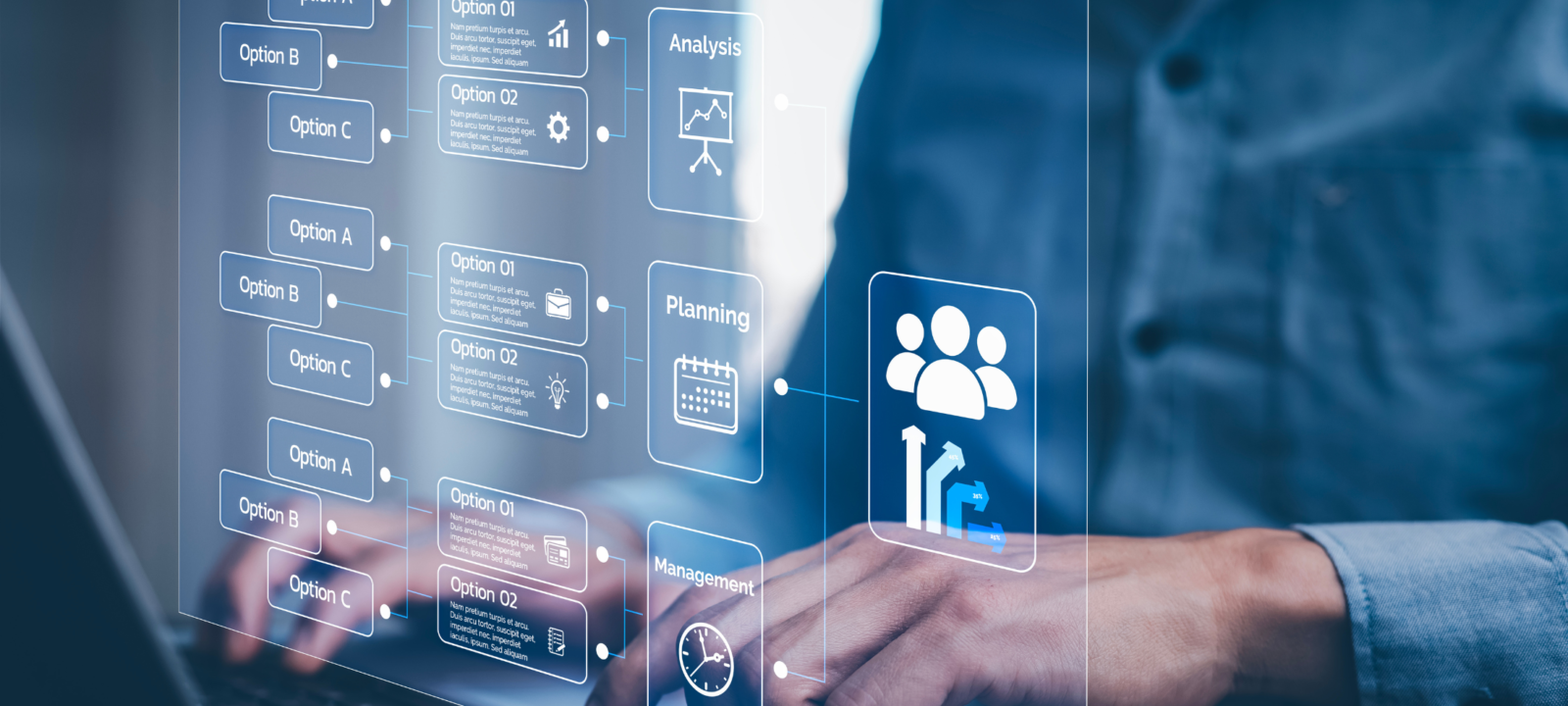
Transforming HR Functions with Artificial Intelligence
Artificial intelligence (AI) is no longer a futuristic concept for HR—it has become a strategic tool that drives efficiency, enhances decision-making, and improves employee experience. As organizations prepare for 2025 and 2026, HR leaders must understand how AI can be leveraged across various HR functions to stay competitive in a rapidly evolving workforce landscape.
From talent acquisition to employee engagement, AI is shaping HR operations in ways that reduce administrative burden and create data-driven insights for better workforce management.
1. AI in Talent Acquisition
AI is revolutionizing recruitment by streamlining candidate sourcing, screening, and selection. Key applications include:
- Automated resume parsing and candidate matching using natural language processing (NLP)
- Predictive analytics to identify candidates most likely to succeed
- AI-powered chatbots to handle initial candidate inquiries and scheduling
- Bias reduction by focusing on skills and competencies rather than demographics or educational background
These technologies allow HR teams to attract top talent faster and more effectively while ensuring a fair and inclusive hiring process.
2. AI in Employee Onboarding and Experience
AI enhances employee onboarding and engagement through personalized experiences:
- Automated onboarding workflows guide new hires through document submission, training, and compliance tasks
- AI-driven learning recommendations suggest role-specific courses based on skills gaps
- Sentiment analysis on employee surveys identifies engagement trends and potential retention risks
By using AI to understand employee needs and streamline onboarding, organizations can boost satisfaction and productivity from day one.
3. AI in Performance Management and Development
Performance management is becoming data-driven and continuous, thanks to AI:
- Real-time performance insights based on project outcomes, peer feedback, and KPIs
- Predictive analytics to identify high-potential employees for leadership development
- Personalized learning paths aligned with career goals and organizational needs
AI helps HR teams retain top talent by identifying opportunities for growth and development proactively.
4. AI in Workforce Planning and Analytics
HR leaders can leverage AI for strategic workforce planning:
- Forecasting workforce needs based on business trends and attrition data
- Analyzing skills gaps across teams and departments
- Optimizing resource allocation for projects and initiatives
With AI-powered analytics, organizations can make evidence-based HR decisions that align workforce strategy with business objectives.
5. AI in HR Operations and Compliance
AI also streamlines HR operations and reduces legal risk:
- Automated payroll and benefits administration reduces errors and ensures compliance
- Monitoring labor law changes and generating alerts for HR teams
- Smart contract management and document verification for employment agreements
Automation allows HR professionals to focus on strategic initiatives rather than repetitive administrative tasks.
Implementing AI in HR: Best Practices
To successfully adopt AI in HR, leaders should consider:
- Identifying high-impact HR processes that benefit from automation and analytics
- Choosing AI tools that integrate with existing HRIS and payroll systems
- Prioritizing data privacy and ethical AI usage to maintain employee trust
- Training HR staff to interpret AI insights and make informed decisions
A structured approach ensures AI enhances HR functions without creating confusion or bias.
Conclusion
The AI roadmap for 2025 and 2026 positions HR as a data-driven, strategic function. By integrating AI across recruitment, onboarding, performance management, workforce planning, and compliance, organizations can reduce administrative burden, improve employee experience, and make smarter decisions.








Leave a comment