


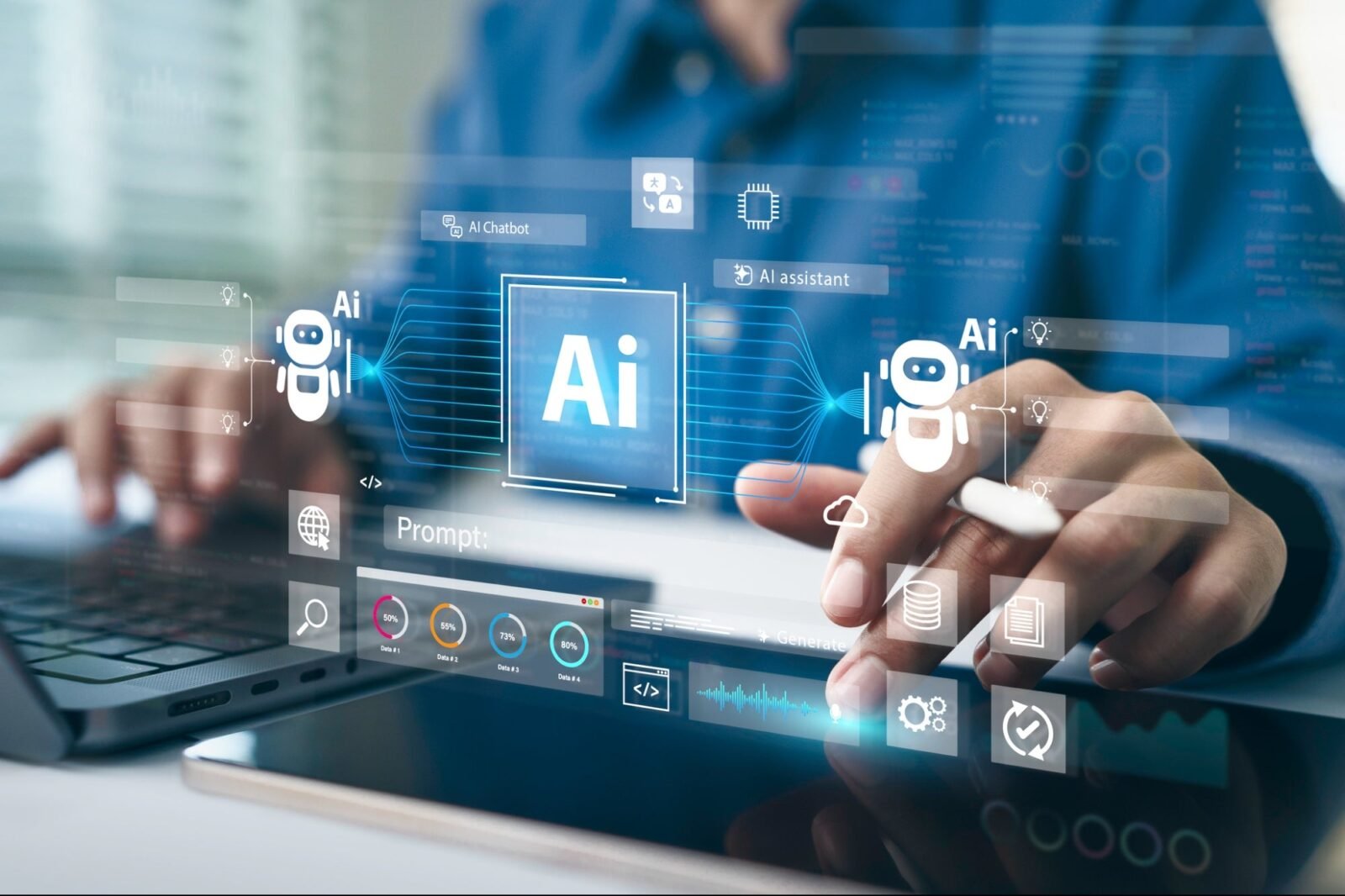
Preparing for the Future of HR with AI-Driven Expertise
The advent of artificial intelligence (AI) is reshaping many industries, and Human Resources (HR) is no exception. In fact, AI is transforming HR careers by automating routine tasks, providing deeper insights into employee performance, and optimizing talent management processes. As we look toward 2025, HR professionals will need to adapt, upskill, and master new competencies to remain relevant in an increasingly AI-driven workplace.
This shift raises a critical question: What skills will HR professionals need to thrive in 2025? Let’s explore how AI is impacting HR careers and the key skills HR leaders and practitioners will need to master to succeed in this new era.
1. Understanding AI and Data Analytics
AI is fundamentally altering the way HR departments operate, especially in areas like recruitment, performance management, and employee engagement. As AI continues to integrate into HR systems, HR professionals will need to develop a strong understanding of AI and how it works, including:
AI and Machine Learning Fundamentals
HR professionals should be familiar with the basics of machine learning algorithms and how AI tools are used to make predictions and recommendations. This will allow HR teams to better interpret data, understand AI-driven insights, and make more informed decisions.
Data Analytics Skills
As HR evolves into a data-driven function, proficiency in data analysis will become increasingly important. Understanding how to gather, analyze, and interpret employee data will allow HR leaders to gain insights into areas such as talent retention, performance optimization, and organizational health. AI-powered analytics tools such as Visier or ADP DataCloud are already providing HR professionals with powerful insights—HR leaders who can interpret these insights will be ahead of the curve.
2. Tech-Savviness and HRIS Integration
AI in HR often relies on Human Resource Information Systems (HRIS) and other software platforms to collect, process, and analyze employee data. HR professionals will need to:
Master HR Tech Tools
Familiarity with AI-powered HR tools like Workday, BambooHR, and SuccessFactors is becoming essential. These platforms often incorporate AI to streamline processes like recruitment, onboarding, performance management, and employee engagement. HR professionals must know how to use these tools to their advantage and integrate them effectively into the organization’s overall strategy.
Tech-Savvy Mindset
In 2025, HR will demand a tech-savvy mindset. While HR professionals don’t need to be full-fledged data scientists or engineers, they must be comfortable working with HR technologies and collaborating with IT teams to integrate AI solutions. Being able to evaluate, implement, and optimize AI tools will be a crucial skill for HR professionals in the future.
3. Ethical AI and Diversity, Equity, and Inclusion (DEI)
AI in HR can improve efficiency, but it also raises concerns about bias and fairness. AI systems are only as unbiased as the data they are trained on, which means HR professionals will need to ensure that AI-driven tools are ethical, transparent, and aligned with the company’s diversity, equity, and inclusion (DEI) goals.
Ethical AI Knowledge
HR professionals will need to develop knowledge of ethical AI practices to ensure that AI tools don’t inadvertently perpetuate bias. This involves being able to audit AI systems to ensure fairness and implement safeguards against discrimination in recruitment, promotions, and performance reviews. Understanding the legal and ethical implications of AI will become a key part of HR roles.
DEI Strategy and AI Implementation
HR professionals will also need to understand how AI can support or hinder DEI initiatives. For example, AI can help remove unconscious bias in recruitment by focusing on skills and experience rather than demographic factors. But HR leaders must also be vigilant in ensuring that AI models are trained on diverse and representative data.
4. Change Management and Upskilling Employees
As AI changes HR practices, employees will need to be re-skilled and retrained to work alongside AI systems. HR professionals will play a key role in change management and in helping employees adapt to new technologies.
Upskilling and Reskilling Programs
HR professionals will need to create and implement upskilling programs to help employees acquire the skills needed for the AI-driven workforce. This includes not only technical skills but also soft skills, such as emotional intelligence, creativity, and leadership. As AI automates routine tasks, human employees will need to focus on higher-order skills that complement AI, such as strategic thinking, decision-making, and interpersonal communication.
Employee Resilience and Adaptability
As AI continues to evolve, HR will also be responsible for fostering resilience and adaptability in the workforce. Helping employees understand the value of working alongside AI—rather than competing with it—will be crucial in ensuring a smooth transition to a more automated workplace.
5. Strategic Decision-Making and AI Insights
AI will provide HR teams with powerful data-driven insights, and HR professionals will need to develop the ability to use this data strategically. AI-powered tools can predict employee attrition, identify high-potential talent, and offer insights into overall workforce performance. HR leaders who can leverage these insights to make strategic decisions will be well-positioned in the future.
AI-Driven Strategic Decision Making
The ability to turn AI insights into actionable strategies will be a key skill for HR leaders in 2025. HR professionals will need to use AI data to develop and execute strategies related to talent management, employee retention, and workforce planning.
Conclusion
AI is transforming the HR landscape and, as we approach 2025, HR professionals must evolve with it. By mastering AI fundamentals, becoming more tech-savvy, embracing ethical AI practices, focusing on upskilling initiatives, and using AI-driven insights for strategic decision-making, HR professionals can thrive in this new era.










Leave a comment