


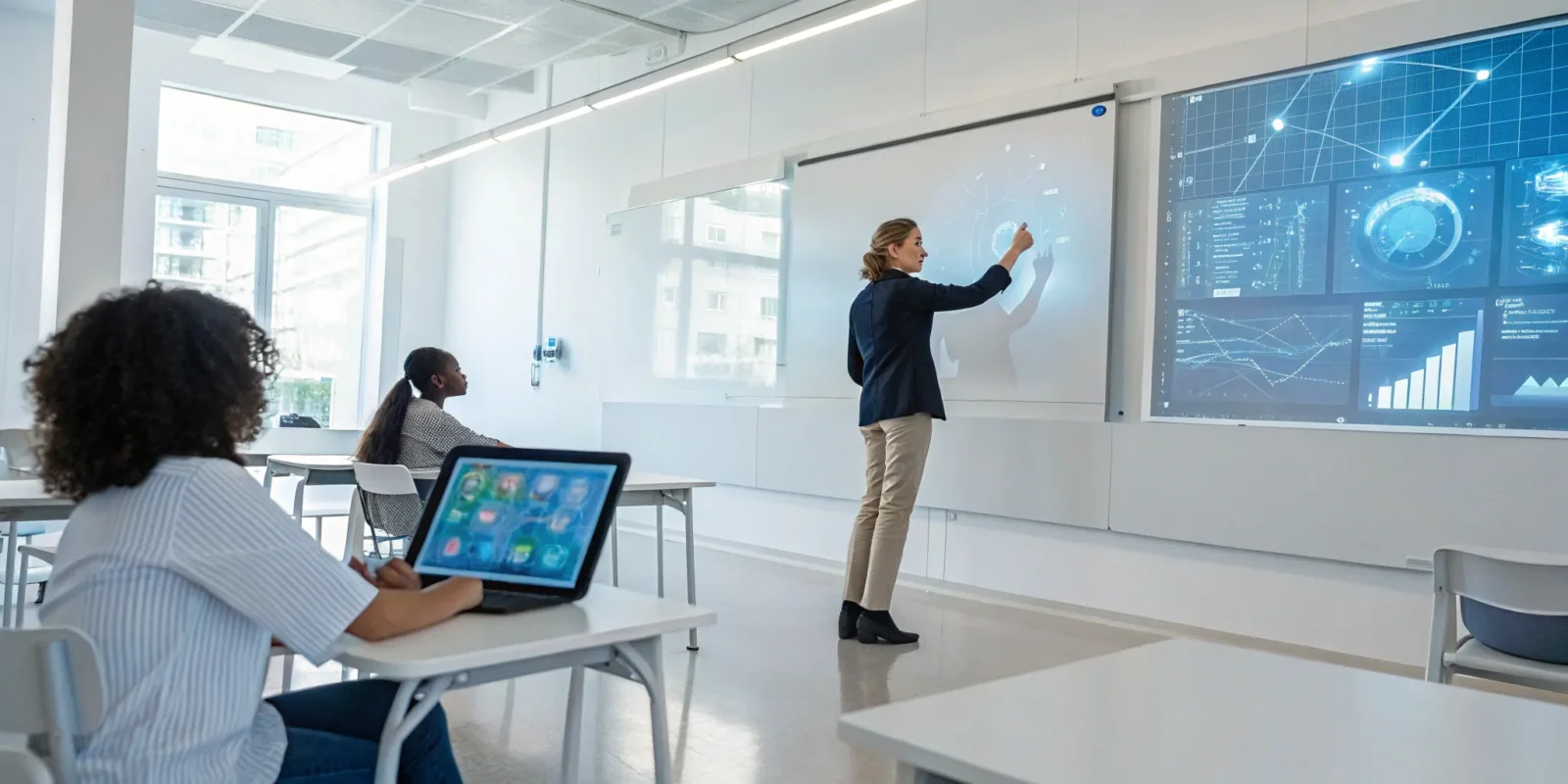
Enhancing Employee Experience with AI-Driven Solutions
In today’s fast-paced business environment, delivering a personalized employee experience is essential to attracting and retaining top talent. Artificial intelligence (AI) is revolutionizing how companies approach employee learning, engagement, and workforce planning, providing tailored solutions that help organizations better understand and meet their workforce’s unique needs.
As we move towards 2025 and beyond, AI is becoming a key enabler of personalized experiences, enhancing everything from employee training to engagement strategies and strategic workforce management. Let’s explore how AI is transforming these critical areas and reshaping the modern employee experience.
1. AI-Driven Personalized Learning
One of the most exciting areas where AI is making a significant impact is in employee learning and development. Traditional one-size-fits-all training programs are being replaced by more tailored learning paths, personalized to the needs, skills, and career goals of each employee.
Adaptive Learning Platforms
AI-driven platforms like Cornerstone OnDemand and Docebo use machine learning algorithms to create adaptive learning experiences. These platforms analyze individual learning styles, preferences, and performance data to recommend courses, content, and resources that are best suited to each employee. This personalization ensures employees receive the training they need at the right time, improving learning outcomes and overall engagement.
Skill Gap Analysis
AI tools can also help HR teams and managers identify skill gaps across the organization. Platforms like Pluralsight and LinkedIn Learning use AI to recommend learning materials that address specific skill deficiencies, allowing employees to continuously upskill and stay competitive in their roles. This ensures that organizations have a future-ready workforce equipped with the skills needed for evolving business needs.
2. AI-Powered Employee Engagement
Employee engagement is crucial for productivity, retention, and overall company culture. AI is helping organizations better understand employee sentiment, personalize communication, and create engaging work experiences that resonate with individual employees.
Sentiment Analysis and Feedback Tools
AI tools like Glint and Culture Amp use sentiment analysis to analyze employee feedback from surveys, pulse checks, and even social media interactions. By processing natural language and identifying patterns in employee responses, AI can give HR professionals real-time insights into how employees feel about their work environment, management, and company culture. This enables HR teams to take proactive actions to address potential issues before they escalate, leading to a more engaged workforce.
Personalized Communication
AI is also enabling more personalized communication between organizations and employees. Chatbots, such as Talla and Leena AI, can engage employees on a one-on-one basis, answering questions, offering support, and providing feedback in real time. These AI-driven interactions ensure employees feel heard and valued, contributing to improved engagement and satisfaction.
Predictive Analytics for Engagement
AI-powered predictive analytics tools, such as PeopleFluent and Workday, can forecast employee engagement trends by analyzing a wide range of data, including performance, feedback, and behavioral patterns. HR teams can use this data to identify at-risk employees—those who may be disengaged or at risk of leaving the organization—and implement retention strategies to improve job satisfaction.
3. AI in Workforce Planning
AI is transforming workforce planning by providing HR teams with the tools to predict future workforce needs, align talent with organizational goals, and optimize staffing strategies.
Predictive Workforce Analytics
AI tools like Visier and ADP Workforce Now enable HR teams to predict staffing needs based on historical data and future business projections. These platforms analyze patterns in turnover rates, hiring trends, and workforce demographics to forecast talent requirements and ensure the right people are in the right roles at the right time. By having access to predictive workforce analytics, HR leaders can make informed decisions about talent acquisition, succession planning, and organizational restructuring.
Talent Pool Optimization
AI also helps organizations optimize their talent pool by identifying internal candidates who are ready for new roles or promotions. Tools like Eightfold AI use machine learning to match employees’ skills, experience, and career aspirations with available job opportunities, ensuring that the company is maximizing its internal talent potential. This approach reduces the reliance on external hiring, cuts down on recruitment costs, and fosters a culture of internal mobility and employee growth.
Dynamic Workforce Planning
AI allows organizations to engage in dynamic workforce planning, where they can adjust their talent strategy in real-time based on changing market conditions or business needs. By integrating AI-driven workforce analytics with business intelligence tools, HR leaders can anticipate changes in demand, make quick adjustments to staffing levels, and allocate resources efficiently to drive business success.
4. Integrating AI for a Seamless Employee Experience
By combining AI-driven tools for learning, engagement, and workforce planning, organizations can deliver a seamless and holistic employee experience. AI enables companies to understand and act on employee needs in real-time, creating personalized, flexible experiences that align with employees’ individual goals and preferences.
From an employee’s first day to their ongoing development, AI can provide insights that help HR teams foster a culture of continuous learning, engagement, and growth. AI-powered solutions support HR professionals in delivering more efficient, responsive, and human-centered experiences, contributing to greater employee satisfaction and retention.
Conclusion
AI is playing a transformative role in shaping the employee experience by providing personalized learning opportunities, enhancing employee engagement, and enabling more strategic workforce planning. HR leaders who embrace AI technologies will be better equipped to meet the evolving needs of their workforce, increase employee satisfaction, and ultimately drive business performance.







Leave a comment